How to Dress for a Professional Headshot: A Complete Guide for Men and Women
What to Wear for Your Professional Headshot (and What to Leave in Your Closet)
Your headshot is often the first impression you make on a hiring manager, a potential client, or a new LinkedIn connection. Before the lighting is set and the shutter fires, your wardrobe is already doing the talking. Getting it right is less about fashion and more about strategy.
This guide covers exactly what to wear, what to avoid, and why it matters.
Start With Fit, Not Style
Regardless of gender, the single most important factor in headshot clothing is fit. A well-tailored outfit reads as polished and confident on camera. Anything too loose reads as sloppy; anything too tight pulls and distorts at the seams, which becomes magnified in a close crop.
Before your session, try on every outfit option in front of a mirror and sit down in each one. Headshots are often taken from a seated or slightly reclined position, and fabric behaves differently when you are not standing.
What Men Should Wear
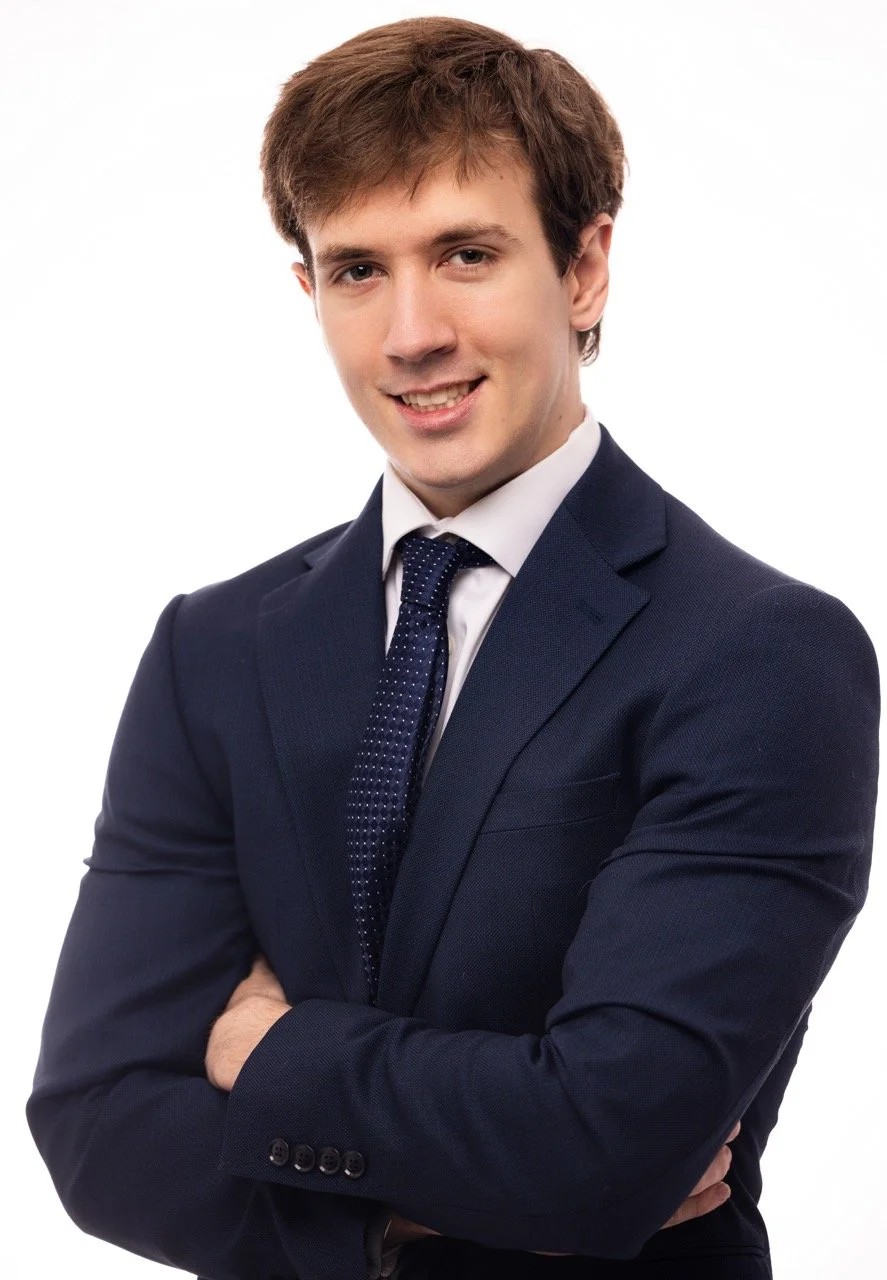
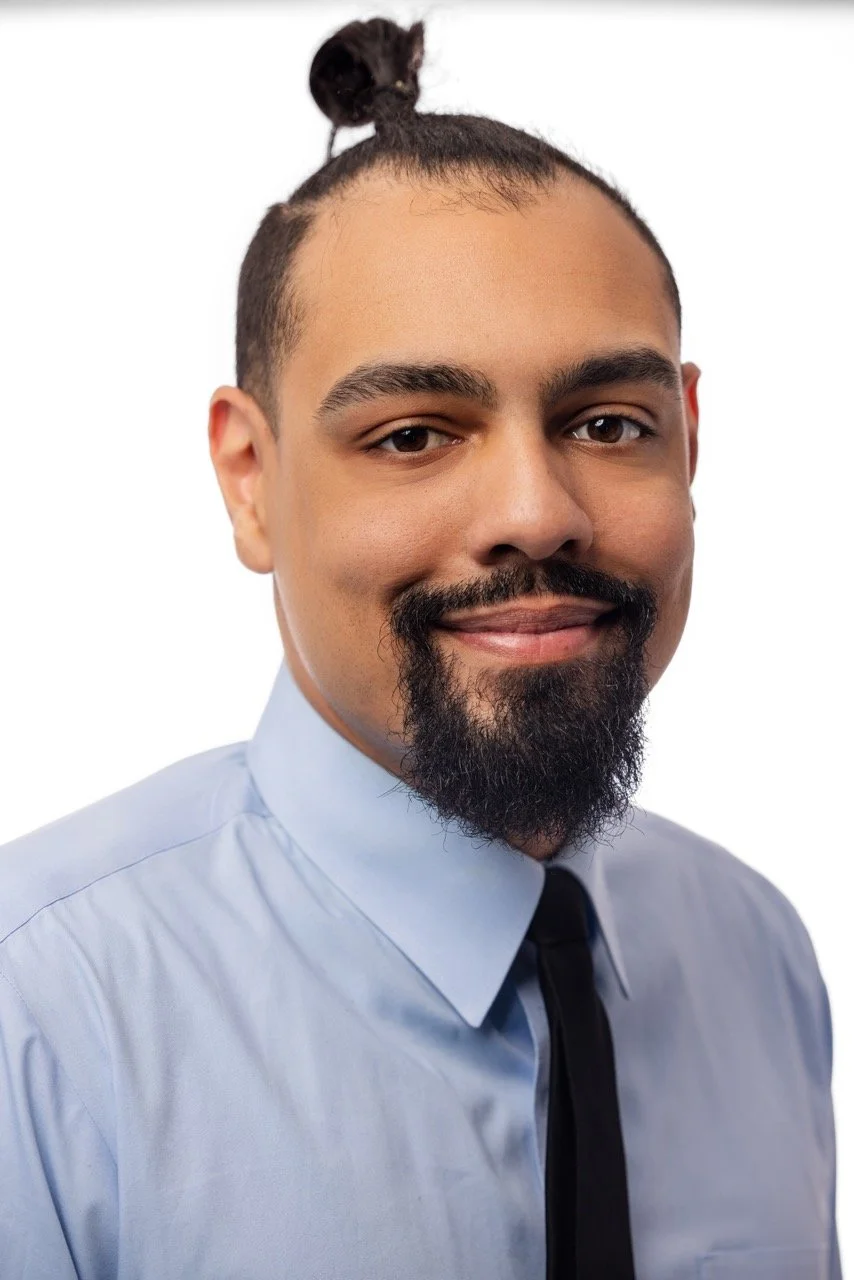
For men, a classic dress shirt with or without a blazer is the most reliable foundation. A well-fitted button-down in a solid medium tone, navy, slate blue, charcoal, or burgundy, tends to photograph exceptionally well. These colors create contrast against most backgrounds while keeping the focus on the face.
A blazer adds structure and signals authority without being overly formal, making it a strong choice for most industries. If your field skews more creative or casual, a clean crewneck sweater or a refined quarter-zip can work just as well, provided the fit is sharp.
Ties are optional and depend on your industry. If you work in law, finance, or a field where formal attire is the norm, a tie can reinforce your professional brand. For most other fields, skipping the tie reads as modern and approachable. If you do wear one, choose a solid color or a subtle pattern with minimal texture.
A few things to avoid: graphic tees, loud plaid, athletic wear, and anything with prominent logos or branding. White shirts, while a reflex choice for many, can create exposure challenges under studio lighting and tend to wash out fairer complexions. They are not off-limits, but they require more deliberate lighting and are generally not the safest bet.
What Women Should Wear
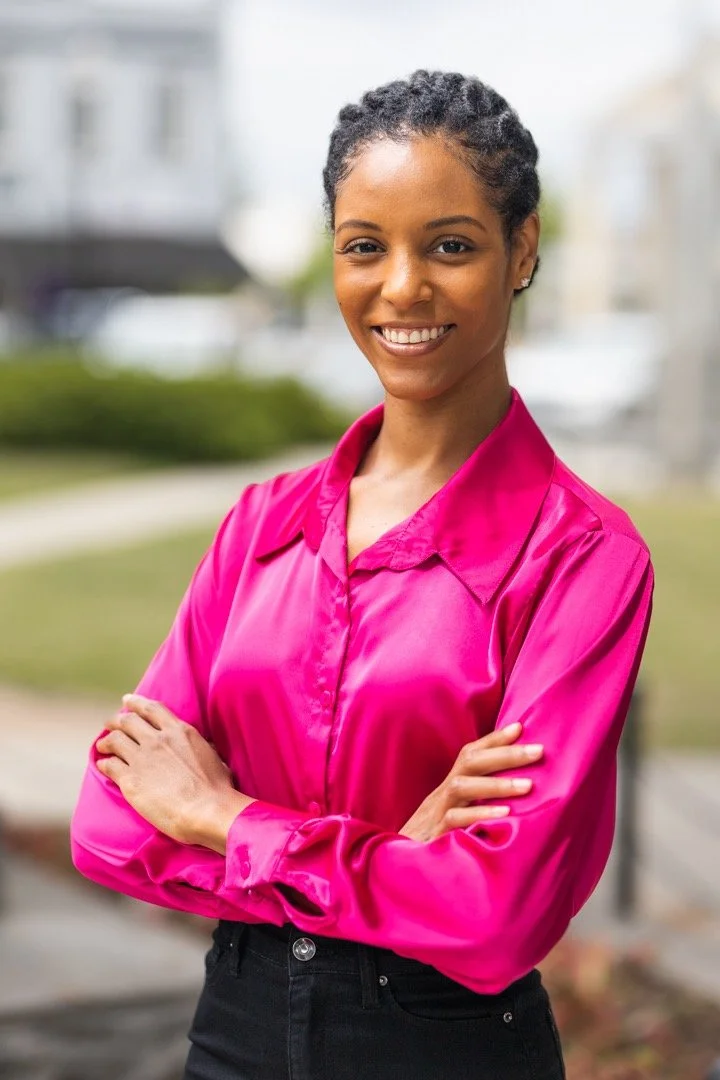
For women, the goal is the same as for men: clothing that complements without competing. Solid colors photograph best. Jewel tones like emerald, cobalt, and deep plum tend to be universally flattering and photograph with depth and richness. Earth tones work well for natural or outdoor sessions.
A fitted blouse, blazer, or structured top all make strong choices. V-necklines tend to elongate the neck and create a clean line in the crop. If you prefer a more casual professional look, a simple fitted top in a solid color reads just as well as something more formal.
Avoid large patterns, busy prints, and overly shiny fabrics. Sequins and high-sheen materials can create unwanted reflections under studio lighting. Strapless tops can also be tricky in a headshot, as they can read as though the subject is underdressed or unclothed once the crop removes context.
Jewelry should be intentional but not distracting. Small earrings and a simple necklace are generally safe choices. Large statement pieces draw the eye away from your face, which is ultimately the subject of the photo.
The Color Rules That Apply to Everyone
Avoid neon colors entirely. They bleed color onto skin tones under studio lights and are difficult to correct in post-processing. Bright white can create the same problem by introducing lens flare or blowing out detail in the highlights.
Instead, aim for medium values. Colors that sit in the mid-range of brightness, neither too dark nor too light, hold the most detail and read with the most depth in a photograph.
If you are unsure, navy is perhaps the most universally reliable headshot color. It works across skin tones, backgrounds, and industries, and it consistently photographs with a clean, professional appearance.
How Many Outfits to Bring
Most headshot sessions allow for two to three outfit changes. Bringing options is always worth the effort. Different looks give you flexibility for different platforms and use cases. You might want one outfit that signals authority for a company bio and another that feels more approachable for a personal brand or speaking page.
Pack each option and let your photographer help you decide once you are in the space. What works in your closet at home can look different against a specific backdrop or in a particular light.
The Details That Photographers Notice
Iron or steam every garment before your session. Wrinkles and creases are significantly more visible in high-resolution photography than in everyday life and take time to correct in retouching. Lint roll everything. Bring any garment that requires layers, such as blazers, already on a hanger so it does not wrinkle in transit.
Hair and grooming matter just as much as clothing. Men should schedule a haircut five to seven days before the session, not the day before, to allow any fresh cut to settle. Women who color their hair should plan touch-ups within two weeks of the session. For both, the goal is a polished version of how you look on your best professional day, not an unfamiliar transformation.
Dress for the Job You Have and the Brand You Are Building
Your headshot will likely be in use for two to five years. Dress for the professional you are right now and the trajectory you are on. A wardrobe choice that feels "safe" is usually the right one. Your face, your expression, and the quality of the photography will do the heavy lifting. Your clothing just needs to stay out of the way.
If you are booking a headshot session in Atlanta and want to talk through wardrobe before your shoot, reach out before your session date. A five-minute conversation can save you from bringing the wrong thing.
Ready to book your session? Click the link below